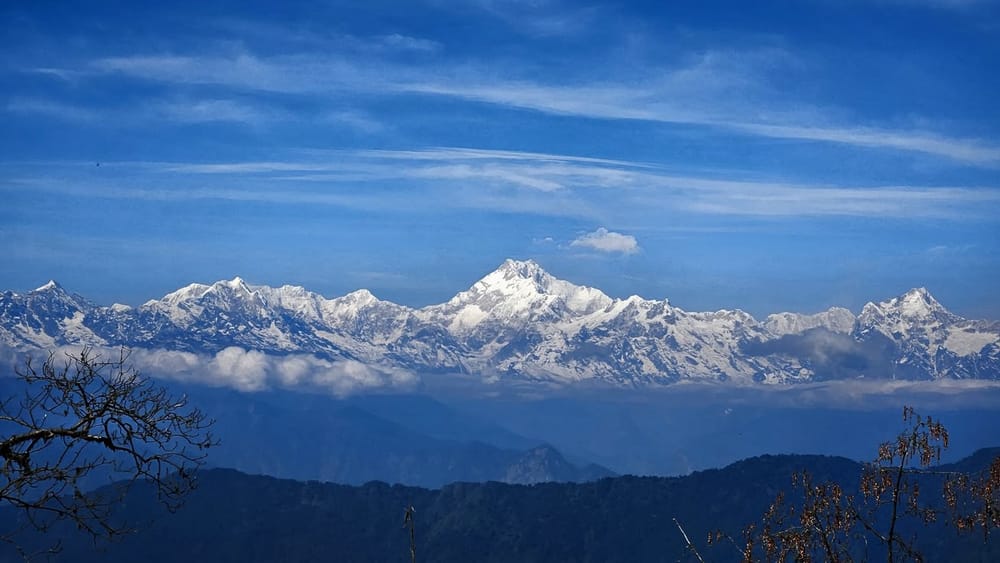

Tucked between the whispering Shivalik hills and the towering Himalayas, Dehradun isn't just a stopover on the way to Mussoorie or Rishikesh — it's a destination that deserves its own itinerary. Known affectionately as "the Doon," this valley city blends colonial charm, fragrant basmati fields, sacred rivers, and a food scene that quietly rivals bigger metros.
This guide skips the generic checklist you've read a hundred times. Instead, it's built like a conversation with a friend who actually lives here — covering how to arrive, where to go, what to eat, where the crowds don't reach, and where to rest your head at the end of it all.
1. How to Reach Dehradun
Dehradun is refreshingly easy to access from almost anywhere in North India.
By Air Jolly Grant Airport (DED) sits about 25–30 km from the city center and connects Dehradun to Delhi, Mumbai, Bangalore, and a growing list of metros. Prepaid taxis and cabs are readily available outside the terminal, and the drive into the city takes you past the Song River and pine-covered hillsides — a scenic warm-up to the trip.
By Train Dehradun Railway Station is the terminus for several major trains, including the Nizamuddin–Dehradun Shatabdi Express and Doon Express. It's one of the most reliable ways to arrive, especially from Delhi (roughly 5–6 hours), and the station itself is centrally located, making onward travel simple.
By Road Dehradun connects to Delhi via NH334 (roughly 250 km, 6–7 hours by car), and well-maintained highways link it to Haridwar (35 km) and Rishikesh (43 km). Volvo buses, private cabs, and self-drive routes are all popular, particularly for travelers combining Dehradun with a Char Dham or Himalayan road trip.
Pro tip: If you're arriving late at night or plan to explore early the next morning, booking your stay in advance saves a lot of hassle. Platforms like SliceStay list verified, comfortable accommodations across Dehradun that cater to both short layovers and longer stays, so you're not scrambling for a room after a long journey.
2. Best Places to Visit in Dehradun
Robber's Cave (Gucchupani) A natural limestone cave with a stream flowing right through it — you literally wade through knee-deep water in near darkness with light filtering from cracks above. It's cool, unusual, and surprisingly under-visited given how striking it is.
Sahastradhara "The Thousand-Fold Spring" is known for its sulphur springs believed to have therapeutic properties. Beyond the pools, the surrounding limestone caves and ropeway ride add a bit of adventure to what's otherwise a relaxed half-day trip.
Forest Research Institute (FRI) Less a museum and more a piece of architectural history — this colonial-era building housing India's premier forestry research institute has grand Mughal-meets-British corridors, sprawling lawns, and six museums inside. It's one of the most photographed buildings in North India for good reason.
Tapkeshwar Temple A cave temple dedicated to Lord Shiva, built around a natural water source that drips (hence "Tapkeshwar") onto a Shivling inside the cave. It's spiritually significant and architecturally unlike any temple you've likely seen.
Malsi Deer Park A quiet, low-key park at the base of the Himalayan foothills — good for families, casual walks, and spotting deer, birds, and small wildlife without the intensity of a full safari.
Mindrolling Monastery One of the largest Buddhist teaching centers outside Tibet. The towering golden stupa and vividly painted Great Buddha Temple make this a peaceful, visually stunning stop, especially at sunset.
3. Hidden Gems Most Tourists Miss
Lachhiwala Eco Park A cluster of natural pools fed by mountain streams, surrounded by sal forest. It's popular with locals for weekend picnics but rarely appears on mainstream tourist maps.
Kalanga War Memorial (Khalanga) A quiet hilltop memorial commemorating the Anglo-Gorkha War of 1814. Almost no tourists come here, which makes it oddly peaceful — just history, pine trees, and a view over the city.
Karanpur Local Bazaar Walk Skip the touristy market strips and walk through Karanpur instead. It's where locals actually shop — small bookstores, old-school bakeries, and tea stalls that have been running for decades.
Kimadi Waterfall A lesser-known waterfall near the outskirts, reached by a short trek through farmland and forest. Because it's not signposted heavily, you'll often have it entirely to yourself.
Guccu Pani Village Trail Just beyond Robber's Cave, a walking trail winds through small hamlets where you can see traditional Garhwali homes and terraced farming up close — a genuine, unstaged glimpse of rural life in the valley.
4. Local Markets Worth Exploring
Paltan Bazaar The beating commercial heart of Dehradun. Clothes, shoes, electronics, street snacks — it's chaotic in the best way, and prices are very negotiable.
Astley Hall A more upscale, colonial-style market with boutique clothing stores, cafes, and a cleaner, calmer shopping experience compared to Paltan Bazaar.
Clock Tower (Ghanta Ghar) Area Not just a landmark — the streets radiating from it are packed with local vendors, jewelry shops, and some of the oldest namkeen and sweet shops in the city.
Rajpur Road Home to branded stores, cafes, and a more curated shopping experience if you're looking for something specific rather than browsing.
5. Local Food You Must Try
Bal Mithai – A Kumaoni-Garhwali specialty of roasted khoya coated in white sugar balls. Slightly gritty, deeply nutty, and utterly addictive.
Aloo ke Gutke – A simple but flavorful potato dish tempered with mustard seeds, Himalayan herbs, and dry red chili — a Garhwali comfort food staple.
Kafuli – A spinach and fenugreek-based curry, thick and mildly spiced, often eaten with rice. It's humble, hearty, and completely regional.
Chana Masala from Paltan Bazaar stalls – The street-side chana chaat here has a tangy, smoky flavor you won't find replicated elsewhere.
Dehradun-style Momos – Influenced by the city's Tibetan community near Clement Town, the momos here have a slightly different spice profile than what you'd find in Delhi or Himachal.
Litchi and Basmati-based sweets – Given the region's fame for both, seasonal litchi-based desserts and basmati kheer are worth actively seeking out.
6. Things to Do in Dehradun
- River rafting and camping near Shivpuri (a short drive toward Rishikesh) for those wanting a bit of adrenaline.
- Early morning walks at FRI campus, when the grounds are quiet and the light through the trees is at its best.
- Sunset viewing at Mindrolling Monastery, when the golden stupa catches the last light beautifully.
- A day trip to Mussoorie, just an hour away, for cooler weather and panoramic valley views.
- Cave exploration at Robber's Cave, best done in the late morning when the water level is manageable.
- Slow evenings at local cafes on Rajpur Road, people-watching with a coffee as the city winds down.
Where to Stay
Whether you're here for a quick 2-day trip or settling in for a longer Himalayan getaway, choosing the right base matters more than people expect — it affects how much of the city you can actually enjoy without wasting time on logistics.
For hassle-free, verified stays that suit different budgets and trip styles, SliceStay is worth checking out before you finalize your Dehradun plans. Having a comfortable, well-located stay sorted in advance means more time for caves, monasteries, and momos — and less time worrying about check-in surprises.
Final Thoughts
Dehradun rewards travelers who slow down. It's not a city of blockbuster attractions stacked one after another — it's a city of quiet mornings, unexpected caves, fragrant markets, and food that tells you more about the region than any monument could. Whether you're passing through on your way to the mountains or making Dehradun the destination itself, there's more here than most guidebooks let on.
Plan well, wander a little off the marked path, and the Doon Valley will give you a trip worth remembering.