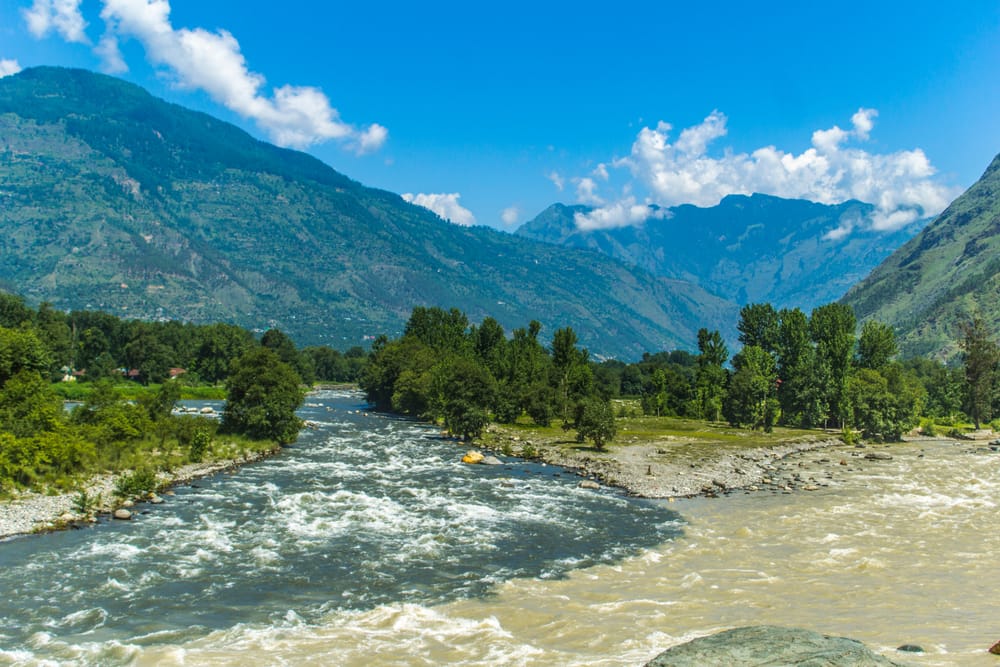

There is something about Manali that gets under your skin. It is not just the mountains, though the Himalayas towering above the Beas Valley are genuinely hard to describe in words. It is not just the snow, though standing in a meadow covered in white with nothing but peaks in every direction is its own kind of quiet magic. It is the combination of everything. The smell of pine, the sound of the river, the way the cold hits your face the moment you step out of the car, the warmth of a bowl of thukpa when you finally sit down after a long day. Manali is a feeling as much as it is a place.
And the best part? It works for everyone. Honeymooners, solo backpackers, families with kids, adventure junkies, people who just want to sit in a cafe with mountains outside the window and read a book. Manali makes room for all of them.
This guide covers everything you need for a proper trip. How to get there, what to actually see (including the spots most people miss), what to eat, where to shop, what to do, and where to stay. If you need a hotel, whether for a full trip or just a few hours in between your plans, SliceStay has flexible options across Manali and Kullu that let you book on your own terms.
Let us get into it.
What Manali Is Called and Why It Matters
Before the guide begins, a quick note on the names. Manali is officially called the "Valley of the Gods" because the entire Kullu Valley in which it sits is believed to be home to hundreds of local deities. Every village has its own devta, its own temple, its own festival. The divine and the natural coexist here in a way that is not performative. It is simply the way life is.
The town is also called the "Switzerland of India" for the obvious visual reasons. In winter especially, the snow-covered slopes, the wooden chalet-style architecture, and the river cutting through the valley do create an Alpine quality. People also call it the "Adventure Capital of India" because there is almost no outdoor sport that Manali does not offer. And the name itself comes from Sanskrit, derived from Manu-Alaya, meaning the abode of Manu, the progenitor of humanity in Hindu cosmology. According to legend, after a great flood, Manu stepped off his boat in Manali and began rebuilding human life.
So you are not just going to a hill station. You are going to a place where mythology, nature, and adventure have been living together for a very long time.
1. How to Reach Manali
Manali sits at about 2050 metres above sea level in the Kullu district of Himachal Pradesh, approximately 550 kilometres from Delhi. Getting there is very much part of the experience, no matter how you travel.
By Road
This is how most people travel to Manali and honestly, for many travellers, the road journey is one of the highlights of the trip. The route from Delhi goes via Chandigarh, then Bilaspur, Sundernagar, Mandi, and Kullu before reaching Manali. The Kullu Valley stretch in the final two hours of the drive, with the Beas River on one side and increasingly tall mountains on the other, is beautiful enough to make even a tired long-distance traveller sit up.
Volvo overnight buses run daily from Delhi's ISBT Kashmiri Gate and take about 12 to 14 hours. Private operators also run luxury coaches with recliner seats. For families or groups, hiring a private taxi or SUV is the most comfortable option. The road goes through Rohtang Pass if you are heading further north toward Lahaul and Spiti, though this stretch is typically only open from May to November.
HRTC (Himachal Road Transport Corporation) also runs budget buses from Delhi, Chandigarh, and Shimla that are clean and reliable.
By Air
The nearest airport is Kullu-Manali Airport (also called Bhuntar Airport, IATA code KUU), located about 50 kilometres from Manali in Bhuntar town. Air India operates flights connecting Bhuntar to Delhi and some other major cities, though availability and frequency can vary by season. From the airport, taxis to Manali take about one and a half hours along the Beas Valley road.
For most travellers, flying to Chandigarh and taking an overnight bus or a hired cab is more practical, as Bhuntar gets limited flights and they are heavily weather-dependent in winter.
By Train
There is no direct rail connection to Manali. The closest major railway station is Joginder Nagar, connected to Pathankot by the charming narrow-gauge Kangra Valley Railway. From Joginder Nagar, you can hire a taxi or take a bus toward Mandi and then Manali. The entire journey from Delhi by train plus bus takes roughly 14 to 16 hours.
Many travellers prefer the train to Chandigarh (which is well-connected to Delhi and other cities) and then a bus or cab onward to Manali. Chandigarh to Manali by road is about 7 to 8 hours and the route is well-maintained.
Getting Around in Manali
Within Manali town itself, walking is the most pleasant option. Mall Road, Old Manali, Hadimba Temple, and the main market areas are all within a reasonable walking distance of each other. For places like Solang Valley, Rohtang Pass, Vashisht, and Naggar, hiring a local taxi for the day is the standard and most convenient approach. Bike rentals are also popular among younger travellers who want to explore at their own pace.
If you arrive on an overnight bus and need to freshen up before your hotel check-in time, or need a short rest midway through a long travel day, SliceStay has hourly hotel options in Manali so you are never stuck waiting in a lobby with all your bags.
2. Best Places to Explore in Manali
Manali rewards exploration. The town itself is compact, but the valley around it extends into some of the most spectacular mountain scenery in India.
Mall Road and the Main Town
Mall Road is where Manali's daily life happens. It is lined with hotels, restaurants, shops selling woollens and handicrafts, street food stalls, and cafes serving everything from Himachali thali to Italian pizza. It is busy, colourful, and very much the commercial heart of the hill station. Walking along Mall Road in the evening, with the mountains lit up in the last light of the day and the smell of street food in the air, is a Manali experience in itself.
Old Manali
About two and a half kilometres from Mall Road, Old Manali is a different world entirely. The roads here are narrow and sometimes unpaved. Traditional stone and wood houses sit alongside bohemian cafes draped in fairy lights and prayer flags. Backpackers from across India and abroad come here for the laid-back energy. The Manalsu River runs below, and the Manu Temple nearby adds a mythological layer to the neighbourhood.
Old Manali is where you go when you want to slow down. Have breakfast in a rooftop cafe with mountain views, spend the afternoon wandering without a plan, find a second-hand bookshop tucked into a lane, sit by the river at sunset. It is the kind of place that makes you extend your trip by a day or two.
Hadimba Temple
Set within a thick cedar forest about three kilometres from Mall Road, Hadimba Temple is one of the oldest wooden temples in Himachal Pradesh. Dedicated to Hadimba Devi, a figure from the Mahabharata who was the wife of Bhima, the temple is built in a distinctive four-tiered pagoda style with an intricately carved wooden facade. The forest around it is quiet and slightly dark even during the day, giving the whole place a genuinely ancient feeling.
The annual Hadimba Devi festival in May draws large numbers of devotees. At other times of the year, the temple is peaceful and worth spending an hour in. Yaks and yak calves are often stationed outside for tourist photos, which some people love and others can skip.
Solang Valley
About 14 kilometres from Manali on the road toward Rohtang Pass, Solang Valley is one of the most popular short excursions from Manali town. In winter, the valley fills with snow and becomes the centre of skiing, snowboarding, snowmobile rides, and other snow activities. In summer, the same valley is green and serves as a paragliding launch point, with zorbing, zip-lining, and ATV rides also available.
The views from Solang Valley looking back toward Manali are excellent. In clear weather, the Dhauladhar and Pir Panjal ranges frame the horizon and the valley floor stretches out below in all its green or white glory.
Rohtang Pass
At 3978 metres above sea level, Rohtang Pass is the high-altitude gateway between Kullu Valley and Lahaul-Spiti. The pass is only open from May to early November, and even in summer it often has snow. The drive from Manali takes about 2 to 3 hours on a winding mountain road. Permits are required for tourists visiting Rohtang and are available online through the Himachal Pradesh government portal. Book these in advance especially during peak summer.
From the top of Rohtang, on a clear day, you can see the barren high-altitude landscape of Lahaul beginning on the other side, which looks completely different from the green valley you just drove up from. The contrast is stark and fascinating.
Vashisht Village
Just 3 kilometres from Manali on the opposite side of the Beas River, Vashisht is a village known for its natural hot springs and ancient stone temples. The Vashisht Temple, dedicated to the sage Vashisht, has a hot spring inside its premises where pilgrims take a ritual bath. There are also public hot spring baths nearby where travellers can soak in the mineral-rich water after a day of exploring.
Vashisht also has a good cluster of small cafes and guest houses with a quieter, more local atmosphere than central Manali. The walk from the hot springs down to the river is lovely.
Naggar
About 20 kilometres from Manali on the old highway that runs along the opposite bank of the Beas, Naggar is one of the most undervisited and rewarding places in the Kullu Valley. The Naggar Castle, built in the 15th century, sits on a hillside with commanding views of the valley below. It has been converted into a heritage hotel and also houses an art gallery. Nearby is the Roerich Art Gallery and Estate, the former home of Russian artist Nicholas Roerich who spent his later years in this valley and was deeply inspired by its light and landscapes.
Naggar is where you go when you have seen the main Manali attractions and want something more layered. The village lanes, the old temples, the apple orchards, and the incredibly knowledgeable art gallery attendants who can tell you about Roerich's life and work make this a genuinely enriching half-day or full-day excursion.
Kullu Town
The district headquarters of Kullu is about 40 kilometres from Manali and often overlooked by tourists who fly past it. Kullu is famous for the Dussehra festival, which is celebrated here on a scale and in a manner unlike anywhere else in India. The festival lasts about seven days in October and involves hundreds of local deities brought from villages across the district, all converging at the Dhalpur Maidan. If your visit coincides with Dussehra, make every effort to be in Kullu.
The Bijli Mahadev Temple, perched on a hilltop 22 kilometres from Kullu at 2460 metres, offers a 360-degree view of the Kullu and Parvati valleys from its summit. The trek to the top is about 3 kilometres from the road and takes about an hour. The idol inside the temple is struck by lightning periodically and is rebuilt by the priest each time, which is one of those local legends that feels both mythological and oddly specific.
3. Hidden Gems of Manali
These are the places most first-time visitors never make it to. Come back for a second trip, or build a smarter first itinerary, and you will find these more than worth the effort.
Sethan Village
About 12 kilometres from Manali up a side road above Old Manali, Sethan is a small Buddhist village at an altitude of around 2600 metres. Most travellers have never heard of it. In winter, Sethan gets heavy snowfall and becomes an alternative to the crowded slopes of Solang Valley for skiers and snowshoe hikers. In summer, the meadows above the village are ideal for camping and short hikes.
The views from Sethan across the valley toward the Dhauladhar range are extraordinary. There are a handful of simple homestays in the village. Staying one night here after spending time in central Manali is a genuinely different experience and one most visitors say they wish they had done earlier in the trip.
Bhrigu Lake
At an altitude of 4300 metres, Bhrigu Lake is a high-altitude alpine lake about 20 kilometres north of Manali, accessible via a trekking route from Gulaba on the Rohtang Pass road. The lake is said to have been a meditation spot of the sage Maharishi Bhrigu, one of the seven great sages of Hindu mythology. It is one of the few high-altitude lakes that does not freeze completely in winter, which locals attribute to its sacred nature.
The trek is a moderately challenging two to three day route that crosses high alpine meadows with wildflower blooms in summer and dramatic snowfields in early spring. The views from the lake, looking back toward Manali and across to Rohtang Pass, are among the finest in the entire Kullu region.
Jana Waterfall
About 35 kilometres from Manali near the village of Jana, this waterfall cascades from a height of about 30 feet through dense pine and apple orchid forest. It is one of those spots that locals have known about for years but tourists rarely include in their itineraries. The short walk to the falls passes through traditional Himachali village houses and the small local dhabas near the waterfall serve some of the most authentic Himachali food you will find anywhere in the valley. Siddu with ghee, Rajma Chawal, and fresh local chai are worth coming here for on their own.
Hallan Valley
Located just 3 kilometres from Naggar toward Manali, Hallan Valley is a tiny side valley that stretches for about 6 kilometres with a dozen small villages on either side. It is connected by a motorable road but sees almost no tourist traffic. The valley is simply about Himachali life as it has been lived for generations. Walnut and apple orchards, women working in the fields, kids coming home from school on narrow mountain paths. If you spend even a couple of hours driving or walking through Hallan Valley, you will leave with a very different sense of what this part of the Himalayas actually looks like when nobody is performing for tourists.
Nehru Kund
Located 6 kilometres from Manali on the road toward Rohtang Pass, Nehru Kund is a natural freshwater spring whose water originates from Bhrigu Lake. The spring is clear enough to see the bottom at a surprising depth. Former Prime Minister Jawaharlal Nehru was particularly fond of this spring and used to drink from it during his visits to the valley. The location along the highway makes it an easy addition to any Rohtang or Solang Valley excursion and it takes only 15 minutes to visit.
Chichoga Village
Most people who stay in Old Manali do not realise that Chichoga Village, just 1.8 kilometres from Mall Road (actually closer than Old Manali), offers better mountain views than almost anywhere else in the Manali area. The village sits on a slight rise above the valley floor and the sightlines are unobstructed in multiple directions. A few homestays here offer rooms with balconies that look directly at the Himalayan peaks. It is the kind of place where you wake up in the morning, open the window, and cannot believe that the view is real.
Hamta Village
Hamta Pass is a well-known trekking route, but Hamta Village itself, the small settlement at the base of the pass, is almost entirely ignored by visitors who pass through it on the way to the high trail. The village has traditional stone houses with slate roofs, wooden balconies hung with drying vegetables and herbs, and a pace of life that slows your heart rate within minutes of arriving. For anyone interested in mountain ethnography or simply in sitting with a cup of tea and watching how people in a Himalayan village actually live, Hamta Village is one of the best places in the entire Kullu-Manali area.
Malana
Located in a side valley off the main Parvati Valley, Malana is one of the most fascinating villages in Himachal Pradesh and arguably in all of India. The village has its own democratic governance system that is believed to be one of the oldest in the world. Its people do not intermingle freely with outsiders and have strict customs around physical contact with visitors. You observe rather than participate, but that observation is genuinely absorbing. The walk to Malana is about 3 kilometres from the nearest road. The views of the surrounding peaks are excellent and the village architecture, all stacked stone and dark wood, is unlike anything you will see in the standard tourist circuit.
Note that Malana is in the Parvati Valley, which requires a short detour from the Manali area, but it can be combined with a visit to Kheerganga if you are spending more than four or five days in the region.
4. Famous Street Food, Restaurants and Hotels in Manali
The food culture in Manali sits at a fascinating crossroads. Himachali cuisine, shaped by high-altitude farming and cold winters, meets Tibetan food traditions brought by refugee communities who settled in the valley in the 1960s. Add to that the global traveller community that has been coming to Manali for decades, and you end up with a food scene that is both deeply local and surprisingly eclectic.
Must-Try Street Foods
Siddu is the most important thing on this list. This is Manali's soul food. A steamed bread made from wheat flour dough that is left to ferment overnight, giving it a slightly tangy flavour and fluffy, chewy texture, stuffed with fillings of walnut and poppy seed paste or spiced lentils. It is served hot with a generous pour of ghee and sometimes a spicy green chutney on the side. You will find it at small stalls in Old Manali, in Prini Village, and sometimes on Mall Road. Eat it fresh and hot. There is genuinely nothing else quite like it.
Babru is Himachal's version of a kachori and the most popular quick snack in Manali. The dough is stuffed with spiced black gram paste, shaped into a disc, and deep-fried until the outside is crispy and golden. Served with tamarind chutney and mint chutney, it is a perfect evening snack with a cup of local ginger tea. Every sweet shop and small eatery in Manali has babru on the counter.
Momos arrived in Manali with the Tibetan community and have become completely part of the local food landscape. Manali momos are steamed dumplings filled with either minced chicken or mutton, or a mix of vegetables and local paneer. The dipping chutney here is made with local red chilies and tomatoes and it is significantly spicier than the versions you find in Delhi restaurants. Old Manali cafes serve creative variations with cheese fillings and pan-fried versions. Mall Road vendors do the classic steamed originals.
Thukpa is what you eat when Manali's cold has worked its way into your bones. This Tibetan noodle soup with hand-pulled noodles, vegetables, sometimes meat, and a clear spiced broth is served with a squeeze of lemon, chopped coriander, and crispy fried onions. The broth in the best versions has been simmered for hours and has a richness that instant noodles cannot replicate. Small Tibetan cafes in Old Manali and around the monastery areas do the most authentic versions.
Trout Fish is a Manali specialty that carnivores absolutely should not skip. The cold, clear rivers flowing down from the mountains support excellent freshwater trout. River-facing shacks near Vashisht and along the road to Naggar fry or grill fresh trout with a minimal spice rub that lets the fish's natural flavour come through. The flesh is delicate and the skin crisps up beautifully. Johnson's Cafe and the riverside stalls near Vashisht are where regulars go for the best versions.
Channa Madra is a Himachali curry that deserves to be better known outside the region. Chickpeas are slow-cooked in a yogurt-based gravy with cardamom, cloves, cinnamon, and local herbs. The yogurt is added cold and stirred in gradually so it does not split, creating a thick, tangy, gently spiced sauce that is poured over steamed rice. It is a vegetarian dish that is simultaneously simple and deeply satisfying.
Patande are Himachali pancakes made for breakfast. Thin, slightly sweet, flavoured with cardamom and cinnamon, and made from wheat flour with milk and a little sugar, they are often topped with local apple jam or honey. Some cafes add crushed walnuts to the batter. They are soft, lightly crispy at the edges, and better than they sound on paper.
Aktori is a traditional festive sweet from the Pahari region. A pancake or small cake made from buckwheat flour mixed with potato, topped with honey, dry fruits, and ghee, it has a pleasantly earthy, slightly nutty flavour from the buckwheat. It is a seasonal and occasion-specific dish, so finding it on a regular menu takes some effort, but it is one of those things that gives you real insight into Himachali food beyond the tourist-facing menu.
Butter Tea (Gur Gur Chai) is the most divisive item on this list. Made with tea leaves, yak butter, and salt, it is creamy, savoury, and genuinely warming in the cold. The first sip is always a surprise because your brain is expecting sweetness and gets the opposite. Many travellers dislike it on first taste and warm to it by their third cup. Even if it is not your thing, trying it once is non-negotiable. It tells you something about how food adapts to its climate.
Kaale Chane Ka Khatta is a street snack made from small black chickpeas cooked with green chilies, dry mango powder, ginger, and local spices in a sour and spicy masala. The taste is bold and slightly sour with a heat that builds slowly. It is found in almost every local shop and is one of those things you start eating from a paper cone on the street and cannot stop.
Best Restaurants in Manali
Johnson's Cafe and Restaurant is one of the most beloved dining institutions in Manali. Located in the orchard of the old Johnson Hotel, the cafe serves an excellent mix of Himachali dishes, Continental food, and baked goods, all made with quality local ingredients. The trout is exceptional here, as are the freshly baked breads. The garden setting is peaceful and the service is warm. It is the kind of place you end up coming back to every day of your Manali stay.
Cafe 1947 in Old Manali is a favourite among travellers for its combination of good coffee, genuine mountain views, a well-curated menu that mixes local and international food, and a laid-back atmosphere that invites you to stay for hours. The rooftop seating on clear days is one of the nicest dining spots in town.
Drifter's Inn and Cafe is another Old Manali classic known for its generous portions, relaxed vibe, and reliable food across multiple cuisines. Backpackers and repeat visitors often end up eating here more than anywhere else because it is consistently good and consistently affordable.
The Lazy Dog Lounge is a well-regarded riverside restaurant with a menu covering Himachali dishes, wood-fired pizza, pasta, and a good selection of drinks. The interiors are warm wood and dim lighting, making it a great evening option. The trout preparations and the local thali are both worth ordering.
Khyber Restaurant near Mall Road is the go-to for travellers who want an authentic local Himachali thali. The food is unpretentious and the kind of thing locals actually eat, not a tourist-adjusted version. Rajma Chawal, Madra, Dham on special days, and fresh bread are the main draws.
Freedom Cafe in Old Manali is known for its excellent breakfast spreads and is particularly popular with the early-rising trekker crowd. Pancakes, eggs every way, fresh juices, and good coffee are the main menu items, though the Himachali options on the menu are worth exploring too.
When you are planning your Manali stay and looking for accommodation close to the best dining areas in Old Manali and Mall Road, SliceStay has hotel listings across different budgets that can be booked flexibly, by the hour or by the night, depending on your itinerary.
5. Things to Do in Manali
Manali is one of those destinations where the list of activities is longer than your available days. Here are the most rewarding ones.
Skiing and Snow Sports at Solang Valley
From December to March, Solang Valley is the epicentre of snow sports in northern India. Skiing is the main draw, with slopes available for beginners through to intermediate levels. Ski equipment rental and instructors are available on the slope. Snowboarding, snowmobile rides, and snow zorbing are also popular. For first-timers, taking a basic ski lesson on the lower slopes is genuinely fun even if you have never put on skis before.
Paragliding Over the Valley
Paragliding from Solang Valley and from the slopes above Old Manali is one of the most popular activities in the summer months. You fly tandem with an experienced pilot and spend 15 to 25 minutes in the air above the valley, with the Beas River and the mountain slopes spread out below you. On clear days the views extend for enormous distances. It is suitable for people with no experience and generally very safe when booked through reputable operators.
White Water Rafting on the Beas River
The Beas River offers rafting stretches from relatively gentle to genuinely exciting depending on the section and the water level. The most popular stretch runs from Pirdi to Jhiri (about 14 kilometres) and includes several good rapids along with stretches of calmer water where you can catch your breath. It is ideal for first-time rafters. More experienced rafters can book longer routes with more challenging rapids. The rafting season is typically from May to July when the snowmelt has filled the river but before the monsoon makes it too dangerous.
Trekking
The trekking options around Manali range from short day hikes to multi-week expeditions. The Hamta Pass Trek is one of the most rewarding moderate-difficulty routes, taking you from the green Kullu Valley over the pass at 4270 metres and down into the arid landscape of Lahaul on the other side. The 5-day loop offers a dramatic contrast of environments. The Beas Kund Trek is a shorter option, leading to a glacial lake at the base of Rohtang Pass in about two to three days. The Bhrigu Lake Trek mentioned in the hidden gems section is another excellent moderate route. For one-day or half-day walks, the trails above Vashisht to Jogini Waterfall and the meadows above Sethan Village are beautiful without requiring any technical preparation.
Visiting the Buddhist Monasteries
Manali has a significant Tibetan community and several Buddhist monasteries that are open to visitors. The Himalayan Nyingmapa Gompa near Mall Road houses a two-storey statue of Sakyamuni Buddha and displays Tibetan art and religious objects. The Gadhan Thekchhokling Gompa in Siyal is known for its Tibetan architecture and painted murals depicting the life of the Buddha. Both monasteries welcome respectful visitors and offer a moment of calm that is very welcome after the activity and noise of the tourist areas.
River Fishing for Trout
The Beas and its tributaries are stocked with Brown and Rainbow Trout. Angling permits are available from the Himachal Pradesh Department of Fisheries. Fishing spots near Vashisht and along the stretch between Manali and Naggar are the most popular. Local fishing guides can be arranged and they know which stretches are productive in which seasons. It is a meditative activity that gives you an excuse to sit by a mountain river for hours without anyone questioning your productivity.
The Rohtang Pass Drive
Even if you are not trekking beyond the pass, the drive to Rohtang is worth doing for the experience of crossing a significant Himalayan mountain pass and seeing the landscape change entirely on the other side. The winding road, the snow on either side (even in summer), the chain of tea stalls at the top, and the view into Lahaul are all memorable. Remember the permit requirement and try to start early because traffic on the Rohtang road can get heavy by mid-morning in peak season.
Apple Orchard Walks
The valley between Manali and Naggar, particularly around Katrain and Patlikuhl, is dense with apple orchards. In late summer and early autumn (August to October), the trees are heavy with fruit and the roadside stalls sell fresh apples, apple juice, apple jam, and apple wine for prices far below what they charge in the cities. Walking through or driving slowly through the orchard roads during harvest season is one of those unexpectedly lovely experiences that Himachal offers.
Camping
Options for camping in and around Manali are excellent. Riverside camps along the Beas near Kullu, meadow camps in Solang Valley, high-altitude camps near Bhrigu Lake, and basic tent camps in the Parvati Valley all offer different experiences. If organised camping is not your style, there are also many spots where independent camping is possible with a good tent and the right preparation. The night sky above Sethan Village on a clear winter night is one of the most compelling reasons to camp in this part of the Himalayas.
6. Famous Markets for Shopping in Manali
Shopping in Manali is less about luxury purchases and more about finding things that are genuinely made in the mountains and that you cannot find back home. Kullu shawls, Tibetan thangka paintings, local apple preserves, hand-stitched footwear, singing bowls. The markets have character and the products have stories.
Mall Road
The main shopping strip in Manali is busy, colourful, and worth a thorough walk. Shops on both sides of the road sell Kullu and Kashmiri shawls, woollen jackets and sweaters, Himachali caps, artificial jewellery, wooden souvenirs, dried fruits, Himalayan herbs, and everything in between. Bargaining is expected and the shopkeepers are accustomed to it. Evening is the best time to walk Mall Road, when the street food stalls are also in full swing and the whole strip has an energy that is hard not to enjoy.
Best buys on Mall Road: Kullu shawls, woollen caps with the distinctive geometric border, dried apricots and walnuts, local herb bundles, and Himachali pickles.
Opening hours are roughly 10 AM to 10 PM and most shops are open seven days a week.
Old Manali Market
Located on Manu Temple Road in Old Manali, this market has a completely different character from Mall Road. The shops here are smaller, more eclectic, and cater to the bohemian traveller crowd that gravitates toward Old Manali. You will find handmade jewellery using semi-precious stones, dreamcatchers and woven wall hangings, funky hand-painted t-shirts, embroidered bags, and the kind of items you do not know you want until you see them.
The market is also full of cafes and small restaurants, making it easy to combine shopping with eating. The whole area has an unhurried quality that contrasts pleasantly with the busier Mall Road. Old Manali Market is the best place to find unique souvenirs that feel personally chosen rather than mass-produced.
Tibetan Market (Siyal Market)
Manali's Tibetan community has been in the valley since the 1960s and their market near the main bus stand and monastery area is one of the most culturally rich shopping experiences in town. The stalls and shops here sell handmade Tibetan products including thangka paintings (intricate religious paintings on silk or cotton that can take weeks to complete), singing bowls and prayer wheels, Buddhist prayer flags in their traditional five colours, bamboo items, silver jewellery with turquoise and coral settings, and hand-knotted carpets.
This market is where you come if you want something that genuinely reflects Tibetan culture rather than a mass-produced imitation. The shopkeepers here are usually Tibetan themselves and most can tell you about the significance of what they sell. It makes the buying feel different.
Best buys: Thangka paintings, singing bowls, prayer flags, silver jewellery with turquoise, hand-knotted carpets, and brass Buddhist figurines.
Manu Market
Located near Mall Road along the way to the Manu Temple, Manu Market is smaller and more local in character than the main tourist markets. The shops here sell everyday items including books, artificial jewellery, footwear, groceries, utensils, and some woollen garments. It is less polished than the main tourist markets and the prices reflect that. Local people shop here regularly. If you want an authentic local market experience rather than a curated tourist shopping experience, Manu Market is the right call. There are also several good small restaurants in and around the market.
Himachal Emporium
The government-run Himachal Emporium near Mall Road is the safest place to buy authentic regional handicrafts at fixed and fair prices. The shop carries a good selection of Kullu shawls with certification, pashmina and angora products, hand-carved wooden items, traditional Himachali footwear, local pottery, and Kangra silk products. Prices are fixed so there is no bargaining, but you are guaranteed quality and authenticity. If you are spending significant money on a Kullu shawl or a handcrafted piece and want to be sure it is genuine, start here.
Bhuttico
Started in 1944 by a group of local women as a cooperative venture, Bhuttico is one of Manali's most respected shops for handloom products. The Kullu shawls, stoles, and warm jackets here are made from wool from local sheep and goats and use the geometric Kullu weaving patterns that have been in use for centuries. The quality is consistently high and the cooperative model means that buying here directly benefits the artisans. Look for the distinctive Kullu shawl pattern with its band of geometric design along the borders. This pattern is as closely associated with this valley as anything else in Himachali culture.
Katrain Market and the Orchard Road Stalls
About 25 kilometres from Manali, the market town of Katrain and the roadside stalls along the orchard road between Kullu and Manali are where you buy fresh and processed apple products at the best prices. Apples of different varieties, apple cider vinegar, apple wine, apple jam and preserves, walnut oil, dried apricots, and pine nuts are all available. The freshness here is genuinely superior to anything you can buy in the cities. Even if you do not stop at the market itself, the roadside stalls have vendors who will stop your car and make you try their produce. Most of it is worth buying.
What to Buy in Manali — A Quick Buying Guide
Kullu Shawl: The signature textile of the Kullu Valley is a handwoven wool shawl with geometric patterns along the border. The designs use natural-dyed wool in rich, earthy colours. Prices for handwoven Kullu shawls range from Rs 800 to Rs 5000 depending on size and complexity. Buy from Bhuttico or Himachal Emporium for guaranteed authenticity.
Pashmina: Available in Manali from both Tibetan and local Himachali sellers. Genuine pashmina is soft enough to pass through a ring and light enough to fold into a fist. Prices start from Rs 3000 for authentic pieces.
Thangka Paintings: Hand-painted Tibetan religious paintings on cotton or silk. A small piece can cost Rs 500 to Rs 1500. A larger, more detailed piece by a skilled artist can cost several thousands. Buy from the Tibetan Market and ask about the artist's work.
Wooden Handicrafts: Walking sticks carved from deodar wood, carved wooden boxes, photo frames with pressed pine needles, and decorative wooden pieces are all widely available. The best carving work uses walnut wood, which has a beautiful deep colour.
Himalayan Honey: Local wildflower and rhododendron honey from the Kullu Valley is fragrant, raw, and noticeably better than the processed honey sold in cities. Sold at many shops and roadside stalls.
Apple Products: Apple wine from local producers, apple cider vinegar, and handmade apple jams are excellent and easy to carry home. The apple wine from the Kullu Valley is worth trying and buying if you come across it.
Singing Bowls: Tibetan singing bowls from the Tibetan Market make excellent and meaningful souvenirs. Test the sound before buying by running the wooden mallet around the rim. A good bowl produces a clear, sustained tone. Prices start from Rs 500 for smaller bowls.
Himachali Cap: The distinctive woollen cap with embroidered border worn by men across Himachal Pradesh is an affordable and distinctly local souvenir. Machine-made versions cost Rs 150 to Rs 200. Hand-stitched versions cost Rs 500 to Rs 800 and have a noticeably better quality.
When you are planning your shopping days in Manali and need a well-located hotel to store your purchases and freshen up between markets, SliceStay has hotel options close to Mall Road and Old Manali at different price points and with flexible booking options.
When to Visit Manali
Every season offers something worth going for.
Winter (December to February) is for the snow. Manali gets heavy snowfall in January and February. Solang Valley becomes a white playground. Roads to Rohtang and beyond close completely. Accommodation prices drop significantly. The cold is real (temperatures go below minus seven at night) but the experience of Manali in full snow is something that summer visitors never get to see.
Spring (March to April) is the shoulder season. The snow is melting, the rivers are full, and the rhododendrons are in bloom across the hillsides. The crowds are thinner than summer and the landscape has a freshness to it. Some high-altitude roads begin to open.
Summer (May to June) is peak tourist season. Rohtang Pass opens, Solang Valley goes green, and the weather is pleasant during the day. This is when most Indian families and groups visit. Hotels are busiest and need advance booking.
Monsoon (July to August) brings rain and sometimes landslides on the mountain roads. The valley is at its greenest and most lush. Fewer tourists mean better prices and a quieter experience. Trekking during early monsoon (mid-July) before the heavy rains is possible and beautiful, with the flower meadows in full bloom.
Autumn (September to November) is arguably the finest season. The rains have ended, the sky is clear, the mountains are sharp against the blue, and the apple orchards are loaded with fruit. Temperatures are cool but not yet cold. The light in October is extraordinary and photographers who visit then always come back for it.
Final Thoughts
Manali gives you whatever you come for. Come for adventure and you will be busy every day. Come for rest and you will find cafes and rivers and meadows that ask nothing of you. Come for food and you will eat better than you expected. Come for shopping and you will leave with things that remind you of the trip every time you use them.
The key is to not rush it. Manali is the kind of place that improves the longer you stay and the slower you move through it.
For flexible hotel bookings in Manali, whether you need a room for a few hours between activities or a proper multi-day stay, SliceStay makes the booking process straightforward and gives you options across different parts of the valley. Travel on your schedule.