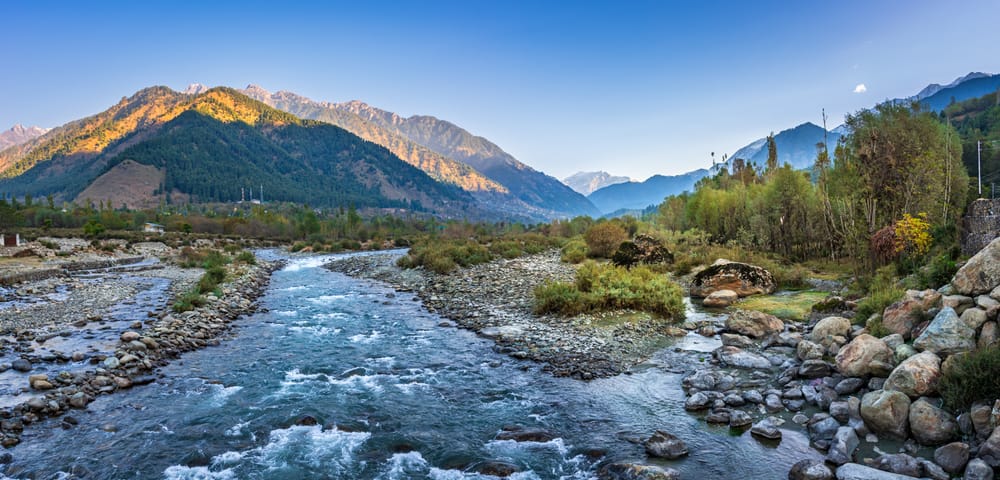

There is a reason Mughal Emperor Jahangir said "Gar Firdaus, ruhe zamin ast, hamin asto" — if there is a paradise on earth, it is here, it is here, it is here. He was talking about Kashmir. And honestly, even after centuries, nothing has changed. Jammu and Kashmir still hits you differently. The kind of different that makes you go quiet when you first see the Himalayas framing a valley, or when a shikara glides across the still morning water of Dal Lake and the only sound is the gentle splash of the oar.
This guide is for everyone who is planning a trip and wants to go beyond the usual copy-paste tourist itinerary. We have covered how to get here, what to actually see (including the places the crowds have not found yet), what to eat, where to shop, and the best things to do once you arrive. And if you need a place to stay, whether for a few hours or a few days, SliceStay has flexible options across J&K that fit every kind of traveller.
Let us get into it.
1. How to Reach Jammu & Kashmir
Getting to J&K is easier than most people think. The region has good air, road, and rail connectivity, and depending on where in Jammu & Kashmir you are headed, you have a few solid options to choose from.
By Air
The main airport is Sheikh ul Alam International Airport in Srinagar, which handles daily flights from Delhi, Mumbai, Bangalore, Hyderabad, Chandigarh, and Jammu. If you are heading to the Kashmir Valley, flying directly to Srinagar is the most convenient option. Flight time from Delhi is just about an hour, and the views of the Pir Panjal range on the descent into Srinagar are worth the window seat alone.
Jammu Airport also connects to major cities and is a better entry point if you are visiting Vaishno Devi, Katra, or the Jammu region before moving toward the valley. During peak pilgrim seasons, Jammu Airport is often busier than people expect, so book early.
By Train
The train route to Jammu Tawi is one of the best-connected railway stations in northern India. From Delhi, there are several overnight trains including the Rajdhani Express, Jammu Tawi Express, and the Shalimar Express that make the journey smooth and budget-friendly. From Jammu, you can hire a cab, take a state bus, or board a shared taxi toward Srinagar, Katra, or Patnitop.
There is now also a limited train service up to Banihal station in the valley, which is a scenic journey through tunnels carved into the Himalayas. The much anticipated Udhampur-Srinagar-Baramulla Rail Link (USBRL) project is set to eventually connect Jammu all the way to Srinagar by rail, though full completion is still in progress.
By Road
The Jammu-Srinagar National Highway 44 is one of India's most dramatic highway drives. The route goes through Udhampur, Ramban, Banihal, and the Jawahar Tunnel before entering the Kashmir Valley. The drive takes roughly 8 to 10 hours depending on road conditions, traffic, and weather. Landslides and one-way traffic schedules can add time, so always check road conditions before departing.
Private cabs and shared taxis from Jammu to Srinagar are widely available. State-run JKSRTC buses are a budget-friendly option as well. Many travellers prefer the road route because the landscape changes dramatically every 30 kilometres and no flight can replicate the experience of watching the mountains get closer and taller with each passing hour.
For those coming from Manali or Leh, the route via the Zoji La pass connects Ladakh to the Kashmir Valley. This road is typically open from May to November.
Getting Around Within J&K
Once you are in the valley, local transport options include shared autos, city buses, taxis booked through apps, and the famous shikaras on Dal Lake. For visiting places like Gulmarg, Pahalgam, and Sonamarg, hiring a private cab for the day is the most convenient option and the roads are well maintained. For more remote valleys like Gurez or Bangus, it is best to hire a cab from the district hub.
If you need a place to rest midway through a long travel day, check out SliceStay's hourly hotel options across J&K so you are not paying for a full night when all you need is a few hours of rest.
2. Best Places to Explore in Jammu & Kashmir
The list of places worth visiting in J&K is genuinely long. Here are the ones that belong on every itinerary, and a few that most guides skip over.
Srinagar
Srinagar is the heart of the Kashmir Valley and the natural starting point for most trips. The city sits at an altitude of about 1600 metres and is home to some of the most iconic sights in India.
Dal Lake is the first thing people picture when they think of Kashmir, and it earns the attention. Hire a shikara early in the morning, when the lake is calm and the reflection of Zabarwan hills appears in the water. The floating markets that open at dawn are a sight you genuinely cannot see anywhere else in the world. Vendors row out in small boats loaded with lotus flowers, vegetables, and saffron to sell to other boats and to the houseboats moored along the shore.
Speaking of houseboats, a night on one of the old wooden houseboats on Dal Lake is a quintessential Kashmir experience. The interiors are carved walnut wood, the beds are piled with quilts, and dinner is cooked to order. It is old-world charm that somehow still works perfectly.
The Mughal Gardens are another must. Shalimar Bagh, Nishat Bagh, and Chashma Shahi each have their own character. Nishat Bagh is the largest and most dramatic, terraced along the hillside with views of the lake below. Chashma Shahi is smaller and less crowded, built around a natural spring that the Mughals diverted to feed their garden pools.
Shankaracharya Temple sits atop a hill overlooking the city and offers a 360-degree panoramic view that is best experienced at sunrise. The walk up involves about 243 steps and is considered both a sightseeing opportunity and a mild pilgrimage.
Hazratbal Shrine on the western shore of Dal Lake is one of the most sacred Muslim shrines in the valley. Its white marble dome is especially beautiful reflected in the lake water on clear days.
Old Srinagar, also called Shahr-e-Khaas, is a maze of narrow lanes, traditional wooden architecture, ancient bridges across the Jhelum river, and shrines tucked into unexpected corners. This part of the city is where real Kashmiri daily life happens, and a walk through it with no particular plan is one of the most rewarding things you can do in Srinagar.
Gulmarg
About 51 kilometres from Srinagar, Gulmarg is a meadow at nearly 2650 metres altitude. In winter, it transforms into one of India's best ski destinations with actual powdery snow that draws skiers from across the country and increasingly from abroad. In summer, the meadows turn green and wildflowers bloom across the hillsides.
The Gulmarg Gondola is the main attraction and one of the highest cable car systems in the world. It runs in two phases, the first up to Kongdori at about 3100 metres and the second to Apharwat Peak at 3979 metres. On a clear day from the top, you can see Pakistan-administered Kashmir and the Nanga Parbat massif in the distance. It is the kind of view that makes you stand still.
In winter, ski slopes at Kongdori and beyond are where both beginners and experienced skiers spend their days. Ski rentals and instructors are available and the slopes are surprisingly uncrowded compared to European resorts.
Pahalgam
Pahalgam sits at the confluence of the Lidder and Sheshnag rivers in the Anantnag district. At 2130 metres above sea level, the town is surrounded by pine forests and high meadows that stay green well into autumn.
Betaab Valley, named after the Bollywood film shot here in the 1980s, is a short drive from Pahalgam and one of the most photogenic spots in the valley. The combination of poplar trees, river bends, and surrounding peaks makes it look like a scene from a dream. Baisaran meadow, reachable only by pony or on foot, sits at an even higher altitude and gives you a proper Himalayan meadow experience away from the roads.
Pahalgam is also the base for the annual Amarnath Yatra, where lakhs of devotees trek to the high-altitude Amarnath cave shrine. The base camp at Chandanwari is just 16 kilometres from Pahalgam town.
Aru Valley, about 12 kilometres from Pahalgam, is quieter than Betaab and more suitable for trekking and camping. Tarsar and Marsar lakes, accessible via a multi-day trek from Aru, are alpine gems that serious trekkers should not miss.
Sonamarg
The name means "Meadow of Gold" and it lives up to it. Sonamarg sits at 2740 metres on the road to Ladakh and is surrounded by glaciers. The Thajiwas Glacier is a short pony ride from the main meadow and gives you a chance to walk on actual glacial ice.
Sonamarg is also the gateway to some of Kashmir's best alpine lakes including Vishansar and Krishansar, both accessible via trekking routes from the valley floor.
Jammu
The city of Jammu is often treated as just a transit point, but it deserves more time than that. The Raghunath Temple complex near the city centre is one of the largest temple complexes in northern India, dedicated to Lord Rama with multiple shrines within its premises. Bahu Fort overlooks the Tawi River and has a Kali temple inside that is visited by large numbers of devotees especially on Tuesdays and Sundays.
Amar Mahal Palace is a 19th-century French-style palace now converted into a museum. The collection includes miniature Pahari paintings, royal artefacts, and a library of rare manuscripts.
Patnitop, about 112 kilometres from Jammu on the Jammu-Srinagar highway, is a hill station with meadows and deodar forests at 2024 metres. In winter it gets significant snowfall and becomes a quick escape for Jammu residents. In summer it is perfect for camping and short treks.
Katra and Vaishno Devi
Katra is the base town for the Vaishno Devi pilgrimage, one of the most visited religious destinations in India. The shrine of Mata Vaishno Devi is set in the Trikuta Mountains at an altitude of about 5200 feet. The trek to the cave shrine is approximately 14 kilometres one way from Katra, though battery-operated vehicles, ponies, and palanquins are also available.
The darshan at the cave shrine, where the goddess manifests as three natural rock formations called pindis, is an experience that leaves most visitors deeply moved regardless of religious background. The scale of the pilgrimage, with thousands of devotees moving through the mountain path at any hour of the day or night, is something genuinely unlike anything else in India.
If you need a rest before or after the trek, SliceStay has short stay hotel options in Katra that let you book by the hour so you are not paying for a full night just to freshen up before heading home.
3. Hidden Gems of Jammu & Kashmir
These are the places that do not make it onto most itineraries. They are worth the extra effort.
Gurez Valley
Gurez is located in the Bandipora district about 100 kilometres north of Srinagar, close to the Line of Control. Getting there involves crossing the Razdan Pass, which is open only from late May to October. The landscape is one of the most dramatic in the entire valley — the Kishanganga River runs through the valley floor, wooden houses with slate roofs dot the hillsides, and the iconic Habba Khatoon peak rises in the background.
Habba Khatoon was a 16th-century Kashmiri poet whose story is woven into the legends of this valley. The peak named after her is visible from almost everywhere in Gurez and gives the valley a strangely poetic quality.
There are very few hotels here, but homestays with local families offer an experience that is warm and genuine. The night sky in Gurez, with zero light pollution from the surrounding mountains, is one of the best stargazing spots in the entire Himalayan region.
Bangus Valley
Bangus is a high-altitude meadow in the Kupwara district that most tourists have never heard of. Divided into Big Bangus and Little Bangus, the valley is ringed by dark pine forests and fed by clear mountain streams. In summer the meadows are carpeted with wildflowers and grazed by flocks of sheep. The absence of paved roads and commercial development means that a visit here feels like stepping back in time.
Access is by road from Handwara in Kupwara, and the route itself passes through some remarkable scenery. A jeep or SUV is recommended for the final stretch.
Aharbal Waterfall
Often called the Niagara of Kashmir, the Aharbal Waterfall in Kulgam district is a spectacular 25-metre cascade on the Vishav River surrounded by dense pine and fir forests. It is about 80 kilometres from Srinagar and can be visited as a day trip. The sound of the falls carries long before you can see it, and the pool at the base is a popular picnic spot.
Sinthan Top
Connecting the Kashmir Valley to Kishtwar in the Jammu region, Sinthan Top is a mountain pass at about 3700 metres altitude. The drive up from Kokernag in the valley takes you through dramatic scenery as the landscape shifts from green forests to bare alpine terrain. In early summer, snow patches linger on either side of the road while wildflowers are in bloom lower down. It is a road trip destination in its own right.
Chatpal
In the Anantnag district, Chatpal is a small valley of extraordinary calm. The river runs through the narrow valley floor, deodar trees crowd the hillsides, and there is almost no tourist infrastructure. Shepherds bring their flocks here in the warmer months. For anyone who has had enough of organised tourism and just wants to sit by a river in complete quiet, Chatpal is the answer.
Lolab Valley
In the Kupwara district, Lolab Valley is a wide, fertile valley lined with walnut and apple orchards, willow trees along the streams, and views of snow-capped peaks in every direction. It is simultaneously peaceful and dramatic. The people here are warm and the pace of life is very different from Srinagar. Summer is the ideal time to visit, when the orchards are in full leaf and the mountains are clear.
Bhaderwah
In the Doda district, Bhaderwah is sometimes called the "Mini Kashmir" of the Jammu region. The valley has green meadows, dense forests, and a pleasant climate. The Nagraj Vasuki Temple, carved from a single stone, is a major draw for pilgrims. For adventure seekers, activities like paragliding, rock climbing, rafting on the Neeru River, and skiing in winter are all available. The road from Jammu to Bhaderwah is about 200 kilometres and the drive itself is part of the experience.
Doodhpathri
About 42 kilometres from Srinagar in the Budgam district, Doodhpathri translates to "Valley of Milk." The name comes from the milky-white streams that flow through the meadows here. The grasslands are thick, the streams are ice-cold even in summer, and the place is genuinely uncrowded compared to Gulmarg or Pahalgam. Day trips from Srinagar work well, or you can stay overnight in one of the government tourist bungalows.
4. Famous Street Food, Restaurants & Hotels
The food of Jammu & Kashmir is one of its most underrated aspects. Whether you eat from a roadside stall or sit down in a proper restaurant for a Wazwan feast, the flavours of this region are unlike anything else in Indian cuisine.
Must-Try Street Foods
Kashmiri Kahwa is where every food conversation in Kashmir should start. This fragrant green tea brewed with saffron, cardamom, cinnamon, and topped with slivered almonds is served everywhere from roadside chai stalls to luxury houseboat dining rooms. It warms you from the inside out on a cold mountain morning. Every cup tastes slightly different depending on the ratio of spices, and after a few days in Kashmir you will find yourself ordering it multiple times a day.
Noon Chai (Pink Tea) is the other famous Kashmiri tea and it is genuinely surprising the first time you have it. Brewed with green tea leaves, baking soda, and salt, then mixed with milk, it turns a natural rose-pink colour. It is creamy, slightly salty, and nothing like any tea you have had before. Locals drink it for breakfast with fresh bread. It is available from dawn at most bakeries and tea stalls in Srinagar's old city.
Kashmiri Kebabs at Khayyam Chowk and Lal Chowk are the best barbeque experience in the valley. Seekh kebabs made from spiced minced mutton are grilled over charcoal and served wrapped in lavasa bread with mint chutney. The smoky flavour from the charcoal combined with the Kashmiri spice blend is something you will think about long after you have left.
Masale Tchot is a Kashmiri street food that deserves more fame than it gets. Soft lavasa bread is rolled around a filling of hot mashed chickpeas and topped with a sharp chutney made from radish, onion, and local spices. It is a complete, satisfying street snack and you will find the best versions near Dastgeer Sahib shrine and the old city mosques in Srinagar.
Nader Munje (Lotus Stem Fritters) are a Kashmiri snack that surprises most visitors. Lotus stems are cut into sticks, dipped in a spiced gram flour batter, and deep fried until crispy. The texture is surprisingly light and the flavour is earthy with a kick of Kashmiri red chilli. They are sold outside shrines and at street stalls near Dal Gate.
Dum Aloo Kashmiri is available everywhere from humble dhabas to upscale restaurants. Baby potatoes are fried golden, then cooked in a thick gravy of yogurt, fennel, dry ginger, and Kashmiri red chilli. It is richer and spicier than the North Indian version and pairs perfectly with steamed rice or fresh roti.
Harisa is a winter-only breakfast dish that is worth timing your visit around if possible. Mutton is slow-cooked overnight with spices and hand-stirred until it forms a thick, smooth paste. It is served in the early morning with fresh bread. The best Harisa in Srinagar is found in the Fateh Kadal and Maisuma neighbourhoods. By 9 AM most vendors have sold out, so go early.
Kalari Kulcha is Jammu's most iconic street food. Kalari is a local cottage cheese made from goat or cow milk, pressed into thick discs and fried on a griddle until golden and slightly crispy on the outside while still melty inside. It is served stuffed inside a kulcha bread and the combination is as simple and satisfying as good street food gets.
Rajma Chawal Jammu style is different from what you might know. The Jammu red kidney beans are smaller and darker, cooked with fresh spices and served over rice with a generous pour of ghee. It is comfort food at its finest and you will find it at practically every local eatery in Jammu.
Best Restaurants
Ahdoos Restaurant on Residency Road in Srinagar is a legend. It has been serving authentic Kashmiri Wazwan for decades and is the place locals take their most important guests. The wazwan platter includes multiple courses of lamb preparations including Rogan Josh, Rista, Yakhni, Tabak Maaz, and Gushtaba. Come hungry and come with time to spare.
Mughal Darbar near Lal Chowk is another institution in Srinagar. It has separate sections for wazwan dining, regular restaurant meals, and fast food, so it works for any appetite and occasion. The seekh kebabs and Kashmiri pulao here are particularly well-regarded by regular visitors.
The Chinar at The Lalit Grand Palace offers the most refined dining experience in Srinagar. The hotel itself is a converted royal palace on the banks of Dal Lake, and the restaurant carries that heritage into its menu and presentation. Dishes blend traditional Kashmiri recipes with modern presentation techniques. It is a splurge but the lakeside setting makes it memorable.
Shamyana Restaurant on Boulevard Road is a popular choice for travellers staying along Dal Lake. The food is traditional Kashmiri and Mughlai, the portions are generous, and the staff are notably courteous. The views of the lake make the outdoor seating area especially pleasant in the evenings.
Wazwan Restaurant JKTDC in Jammu is the most reliable place in the city to have authentic Kashmiri cuisine without travelling all the way to the valley. Government-run with a traditional atmosphere, the Wazwan trami platter is their signature.
When you need a comfortable base for dining and resting between your explorations, SliceStay's hotel listings in Srinagar include properties close to the main dining areas so you are never far from a great meal.
5. Things to Do in Jammu & Kashmir
J&K is not a passive destination. The landscape practically demands that you engage with it.
Shikara Ride on Dal Lake
This is the first thing on every list and it earns that position. Hire a shikara in the early morning before the lake fills with other boats. The hour or two after sunrise when the mist is still sitting on the water and the mountains are lit pink is genuinely magical. Ask the shikara driver to take you past the floating gardens, where vegetables and flowers grow on mats of woven roots and mud that float on the lake surface.
Skiing and Snowboarding in Gulmarg
From December to March, Gulmarg becomes one of the finest ski destinations in Asia. The Gondola takes you up to slopes at 3100 metres and higher. Equipment rental shops, ski schools, and instructors are available on the mountain. Even if you have never skied before, taking a beginner lesson on the Kongdori slopes is a memorable experience.
Trekking
The Kashmir Valley and surrounding mountains offer trekking routes for every level of experience. The Kashmir Great Lakes Trek starting from Sonamarg and ending at Naranag covers 70 plus kilometres over 7 to 8 days and passes seven high-altitude alpine lakes. It is considered one of the finest trek experiences in India. The Tarsar-Marsar Trek from Aru in Pahalgam is shorter and equally beautiful. For day hikes, the trail to Baisaran Meadow from Pahalgam and the Yusmarg to Doodhganga walk are both accessible and rewarding.
Houseboat Stay on Dal Lake
Stay at least one night on a traditional houseboat. The old wooden houseboats built in the early and mid-20th century have handcarved walnut interiors, sitting rooms with bay windows over the water, and a quiet that the city outside cannot interrupt. Waking up to the sound of the shikara vendors calling out through your window ("eggs, madam? Fresh flowers, sir?") is one of those travel experiences that sounds slightly absurd but is actually wonderful.
Visit the Tulip Garden
The Indira Gandhi Memorial Tulip Garden in Srinagar is the largest tulip garden in Asia, spread across 30 hectares on the lower slopes of Zabarwan hill. In April, during peak bloom, more than 1.5 million tulips in over 60 varieties are in flower simultaneously. The garden opens for about 4 to 6 weeks from late March to late April depending on the year. Visiting during this short window is a genuine spectacle.
Vaishno Devi Trek
Even for non-religious travellers, the trek to Vaishno Devi is a meaningful experience. The 14-kilometre trail through the Trikuta Mountains passes through forest, meadow, and rocky terrain. The energy of thousands of pilgrims moving together through the mountain night is something that stays with you.
River Rafting in Pahalgam and Sonamarg
The Lidder River near Pahalgam and the Sindh River near Sonamarg offer white-water rafting stretches that are suitable for beginners and intermediate rafters. The combination of mountain scenery, glacial water, and the rush of the rapids makes this one of the most popular adventure activities in the valley.
Gondola Ride in Gulmarg
Mentioned earlier but worth repeating: the Gulmarg Gondola to Apharwat Peak is one of the most spectacular cable car experiences in the world. At nearly 4000 metres, the views on clear days are extraordinary. Book your gondola tickets online in advance during peak season because queues can be very long.
Explore the Old City of Srinagar
Give yourself a full morning with no plan other than to walk through the old city. Cross the wooden bridges over the Jhelum, find the narrow alley markets that sell copper vessels and woollen pherans, step into a shrine courtyard, and end up at a bakery for noon chai and fresh girda bread. Old Srinagar is the kind of place that reveals itself when you are not rushing toward anything.
Camping Under the Stars
The meadows of Doodhpathri, the banks of the Lidder River in Aru, and the shores of alpine lakes on the Kashmir Great Lakes route all offer world-class camping. The altitude means cold nights even in summer, but huddling inside a sleeping bag with a sky full of stars visible through the tent door is the kind of simple pleasure that justifies every bit of effort to get here.
6. Famous Markets for Shopping in Jammu & Kashmir
Shopping in J&K is not just about buying things. It is about learning what goes into making them. The crafts of this region — pashmina weaving, carpet knotting, papier-mache painting, walnut wood carving — are ancient arts that take years to master. When you buy a genuine piece of Kashmiri craft, you are taking home something that represents that mastery.
Lal Chowk, Srinagar
This is the commercial heart of Srinagar and the place most travellers end up exploring at least once. The market is lively, dense, and sells everything from pashmina shawls and Kashmiri carpets to everyday clothing and local spices. The lanes get narrow quickly and there is a sense of real urban energy here that is different from the quieter lake-side areas of the city. Bargaining is expected and prices vary significantly between shops, so take your time and compare before committing.
Best buys here: Kashmiri saffron, dry fruits, phiran (the traditional Kashmiri long robe), spices, papier-mache showpieces, and affordable pashmina blends.
Polo View Market
A short distance from Lal Chowk and considerably less crowded, Polo View Market is the preferred destination for travellers looking for high-quality Kashmiri handicrafts in a calmer shopping environment. The shops here specialise in premium pashmina shawls, stoles, woollen garments, and handcrafted souvenirs. Some shops offer live demonstrations of traditional weaving and embroidery, which is genuinely fascinating to watch.
The market also has a selection of shops selling antique-style Kashmiri jewellery, hand-painted papier-mache boxes, and carved walnut wood pieces. The quality here tends to be more reliable than in the busier tourist-facing stalls, though prices reflect that.
Opening hours are roughly 9 AM to 9 PM and it is open seven days a week.
Kashmir Government Arts Emporium
If you want genuine authenticity with fixed and fair prices, this is the most reliable place to shop in Srinagar. Located on Residency Road, the emporium was originally the residence of the British Resident and has been a government-run showcase for authentic Kashmiri crafts for decades.
Here you will find GI-tagged Kashmiri products including genuine pashmina shawls with authenticity certificates, hand-knotted silk and wool carpets, walnut wood furniture and decorative pieces, crewel embroidery, and high-quality saffron. Prices are fixed so there is no bargaining, but you know exactly what you are getting. This is the safest place to buy if you are spending significant money on pashmina or carpets.
Boulevard Road
Running along the eastern shore of Dal Lake, Boulevard Road is lined with shops catering to tourists and houseboat guests. The setting makes shopping here feel like a leisure activity rather than an errand. Stalls and shops sell shawls, handicrafts, dry fruits, saffron, and souvenirs. The evening shopping experience here is particularly pleasant, with the lake on one side and the lit-up storefronts on the other.
Residency Road Market
One of the busiest commercial streets in Srinagar, Residency Road has a long stretch of shops selling pashmina, carpets, walnut wood carvings, traditional jewellery, and local food products. The street also has good Kashmiri and Mughlai restaurants mixed in with the shops, making it easy to take a food break in the middle of a shopping walk.
Zaina Kadal Market
Built near the historic Zaina Kadal bridge in old Srinagar (the bridge itself was first built in the 15th century), this market gives you a glimpse of the old trading character of the city. Shops here sell copperware, silverware, traditional Kashmiri clothes, dried fruits, and spices at prices closer to what locals actually pay. It is a good alternative to the more tourist-oriented markets if you want an authentic old-city shopping experience.
Badshah Chowk
Known for its selection of handwoven carpets and traditional jewellery, Badshah Chowk is popular among serious buyers rather than casual tourists. The carpet shops here stock a range of wool and silk pieces in traditional Kashmiri, Persian, and Mughal designs. Buying a carpet is a considered purchase that deserves time and research, and the shopkeepers here are generally knowledgeable and willing to explain the difference between hand-knotted and machine-made pieces.
Floating Market on Dal Lake
This one requires an early morning. The floating market on Dal Lake operates from around 5 AM and is primarily a wholesale flower and vegetable market for traders and houseboat owners. Vendors in small wooden boats trade with each other on the water. As a visitor you can hire a shikara to float through the market, buy saffron and local produce directly from the boats, and experience a form of commerce that has been happening on this lake for hundreds of years.
What to Buy in J&K — A Quick Guide
Pashmina Shawl: The real ones come with GI certification. Genuine pashmina is made from the undercoat of the Changthangi goat and is extremely soft, warm, and lightweight. Prices for authentic pashmina start from around Rs 3000 and can go up to Rs 50,000 or more for elaborate hand-embroidered pieces. Anything priced under Rs 500 and claimed to be pure pashmina is not.
Kashmiri Carpet: Hand-knotted silk or wool carpets are among the most valuable handicrafts in the region. A good carpet can take months to years to make. Count the knots per square inch as a quality indicator. Buy from government emporiums or certified shops.
Saffron: Kashmiri saffron from Pampore is considered among the finest in the world. Buy from government-certified sellers and check that it is actual stigma threads (dark red with a slightly lighter orange tip) rather than dyed imitations.
Walnut Wood: Trays, boxes, furniture, and decorative pieces carved from Kashmiri walnut wood make beautiful and durable souvenirs. The deep, rich colour of the wood and the intricacy of the carving are what to look for.
Papier Mache: Decorative boxes, vases, trays, and ornaments painted in traditional floral and chinar-leaf motifs. Lightweight and easy to carry home, these are among the most popular souvenirs for good reason.
Kashmiri Dry Fruits: Walnuts, almonds, apricots, and pine nuts from J&K are genuinely superior in quality to what you find in most cities. Buy from proper market shops rather than tourist stalls to get fresher stock at better prices.
When you are ready to book your accommodation for your shopping days in Srinagar, SliceStay has a range of hotel options near the main market areas so you can drop your purchases back at the room and head out again without hauling bags all day.
When to Visit Jammu & Kashmir
The honest answer is that J&K is worth visiting in every season, just for different reasons.
Spring (March to May) brings the Tulip Festival in April, blossoming gardens, and a freshness to the air after winter. This is one of the most visually spectacular times to be in the valley.
Summer (June to August) is peak season with the most tourists, best weather, and all attractions open. Sonamarg and Gulmarg are at their greenest. This is the ideal time for trekking.
Autumn (September to November) offers quieter roads, incredible colours from the Chinar trees, apple harvests in Shopian and Sopore, and a golden quality to the light that photographers love.
Winter (December to February) is for the snow. Gulmarg becomes India's ski capital, Srinagar gets frosted in white, and the valley settles into a slower rhythm. Houseboat stays by wood-burning kangris are uniquely cosy.
Final Note
Jammu & Kashmir will exceed whatever you expect from it. The landscape is more varied, the food is more interesting, the culture is deeper, and the people are warmer than most travel content about this region manages to convey. Go with an open schedule, eat what you are offered, talk to the people you meet, and take the side road sometimes.
For flexible hotel bookings, hourly stays, or finding the right room at the right price across Jammu, Srinagar, Pahalgam, Katra, Gulmarg, or anywhere else in J&K, SliceStay is worth your first look. Travel on your own terms.