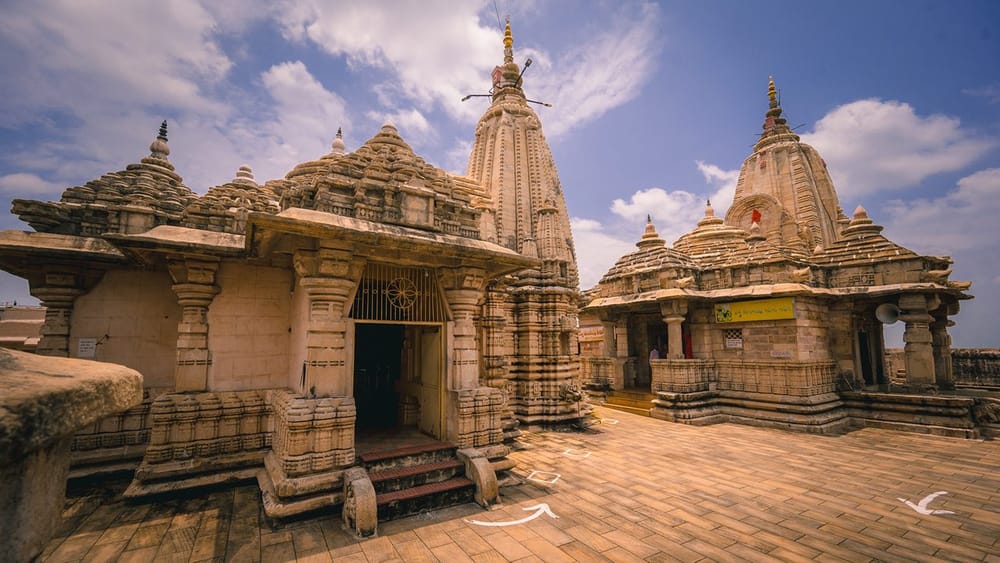

Known across India as the Orange City, Nagpur is far more than just a transit stop or a fruit hub. It is the literal geographical center of India, marked by the historic Zero Mile Stone. Whether you are looking for serene lakes, grand historical structures, ancient temples, or blazing spicy food, this city surprises you at every turn.
Planning a trip soon? Finding the right place to crash makes all the difference. Before you head out, make sure to check out the best budget-friendly accommodations on SliceStay to lock in a comfortable, hassle-free room.
Here is your complete human-written insider guide to exploring Nagpur like a local.
1. Must-Visit Historical Places
Nagpur has a deep, royal history connected to the Bhonsle dynasty and the British Raj. You can still feel that old-world charm in its architecture.
- Deekshabhoomi: This is the most iconic landmark in Nagpur. It is a massive, peaceful white stupa where Dr. B.R. Ambedkar converted to Buddhism along with thousands of followers in 1956. The architectural design is breathtaking, and the atmosphere inside is incredibly calm.
- Sitabuldi Fort: Situated on a small hillock right in the middle of the city, this fort was the site of the fierce Battle of Sitabuldi in 1817. It is currently managed by the Indian Army and opens to the general public only on specific national holidays like Republic Day and Independence Day.
- Zero Mile Stone: A historical monument built by the British to mark the exact geographical center of undivided India. It features a sandstone pillar and four distinct stone horses.
2. Iconic Temples and Spiritual Centers
- Ganesh Tekdi Temple: Located very close to the railway station, this is one of the most revered temples in the city. The idol of Lord Ganesha here is believed to be self-manifested (Swayambhu). It gets crowded on Tuesdays, but the energy is worth experiencing.
- Dragon Palace Temple: Situated slightly on the outskirts in Kamptee, this is a beautiful Buddhist temple built in striking white marble. It is surrounded by lush, manicured gardens and serves as an excellent spot for meditation.
- Koradi Temple: Dedicated to Goddess Jagdamba, this ancient temple transforms into a massive cultural hub during the Navratri festival, attracting lakhs of pilgrims from all over Maharashtra.
3. Famous Spots and Things to Do
- Futala Lake: This is Nagpur’s favorite evening hangout spot. The lakefront comes alive during sunset with food stalls, walking paths, and a spectacular musical fountain show that lights up the night sky.
- Ambazari Lake and Garden: If you want a peaceful morning walk or a boating session, Ambazari is the perfect spot. It is the largest lake in the city and feeds the Nag River.
- Shopping at Sitabuldi Main Road and Dharampeth: From traditional Handloom sarees to local handicrafts, these markets are bustling hubs where you can sharpen your bargaining skills.
4. Hidden Gems in and Around Nagpur
If you want to escape the usual tourist crowds, add these lesser-known spots to your itinerary:
- Gorewada International Bio-Park: A massive forest reserve within city limits that offers wildlife safaris. It is a brilliant initiative where you can spot leopards, sloth bears, and deer in a natural habitat.
- Waki Woods: Located about 30 kilometers outside the city, this is a beautiful, green riverside getaway perfect for a day picnic, birdwatching, or pitching a tent under the stars.
- Narrow Gauge Rail Museum: A unique, nostalgic outdoor museum showcasing vintage steam engines, old coaches, and signaling equipment from the era of narrow-gauge trains.
5. The Food Scene: Saoji and Beyond
You cannot visit Nagpur without talking about Saoji food. This is a traditional, intensely spicy culinary style unique to the Vidarbha region. It uses a secret blend of homemade spices that will make your eyes water in the best way possible. Try a classic Saoji chicken or mutton curry with hot rotis.
If you prefer vegetarian food, look out for Tarri Poha for breakfast. It is a plate of flattened rice topped with a spicy, flavorful chickpea gravy (tarri), raw onions, and crunchy sev. To end your food tour on a sweet note, grab some famous Orange Barfi from Haldiram’s or Heera Sweets.
6. How to Get Around: Transport Guide
Nagpur is incredibly well-connected, making it very easy for travelers to navigate.
- Nagpur Metro: One of the cleanest and fastest eco-friendly metro networks in India. It links major parts of the city, including the airport, railway station, and central business districts.
- Auto Rickshaws and Cabs: Ola and Uber operate smoothly across the city. For a more authentic local experience, you can hail a local auto-rickshaw, though it is smart to negotiate the fare beforehand.
- Air and Rail: Dr. Babasaheb Ambedkar International Airport connects the city to major Indian metros, while the Nagpur Junction railway station is a key hub for trains traveling from north to south and east to west.
Pro Traveler Tip
Nagpur can get exceptionally hot during the summer months (April to June), with temperatures often crossing 45 degrees Celsius. The absolute best time to explore the city is between October and March when the weather is pleasant, cool, and perfect for sightseeing.
To make your travel planning seamless, check out more detailed itineraries and local travel secrets over at the SliceStay Blog. Always ensure your accommodation is sorted ahead of time so you can spend your energy exploring the beautiful lanes of the Orange City!